
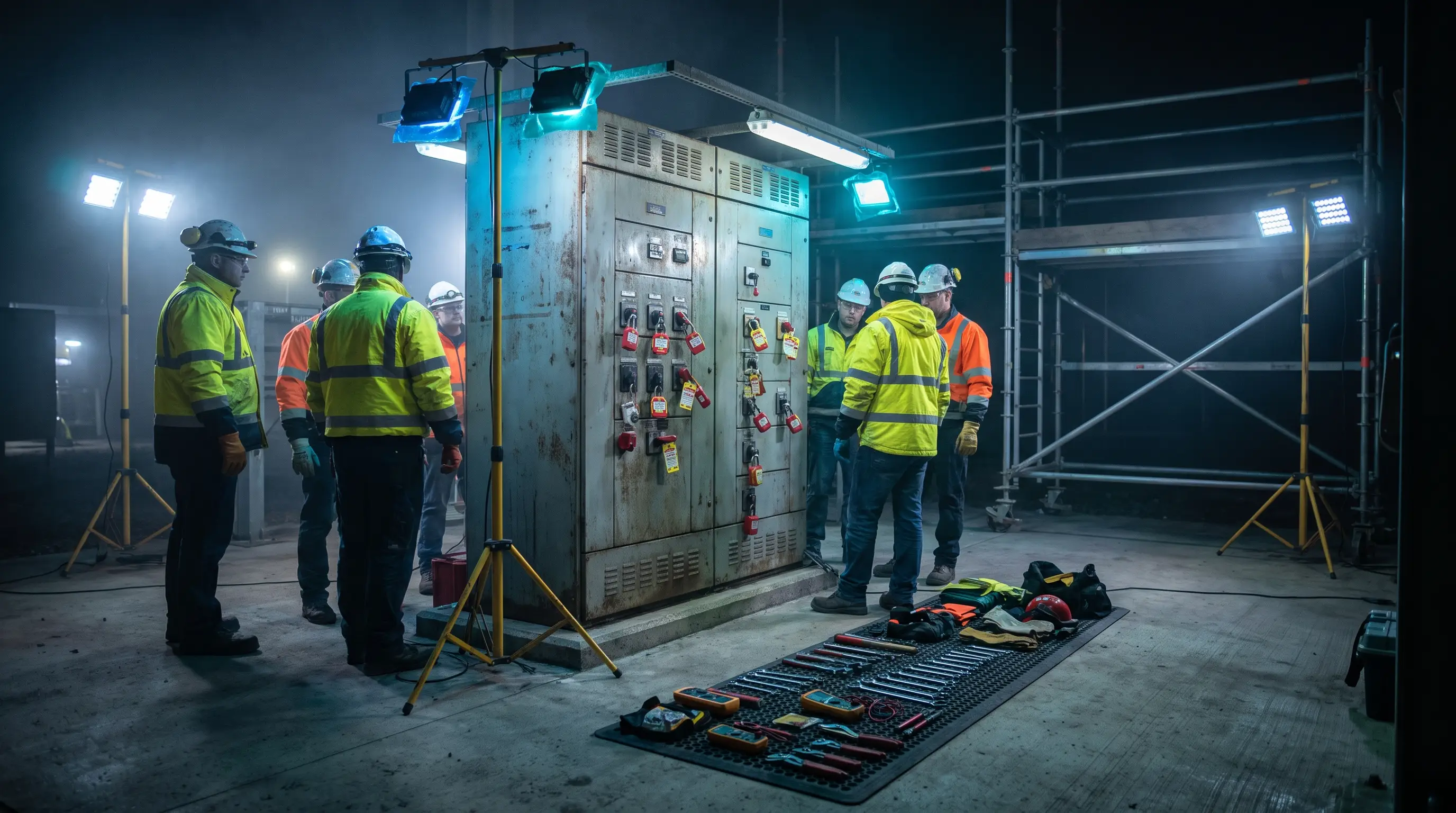
An outage is the most expensive window a plant has. Every hour is measured in lost production, and the pressure that creates is precisely what causes corners to be cut and mistakes to be made.
The work that determines whether a shutdown lands on time is almost entirely done beforehand. What follows is the checklist we work through with clients across electrical, mechanical and civil scopes.
1. Freeze the scope early
Scope creep is the single largest cause of overrun. Additional tasks get added in the final fortnight because “we will be down anyway”, and each one carries hidden dependencies — a permit, a crane, a spare, an isolation that conflicts with something else.
- Set a hard scope freeze date, typically four weeks out.
- Anything added afterwards requires an explicit trade against an existing item.
- Maintain a separate list of ‘next outage’ work so good ideas are captured, not smuggled in.
2. Sequence against constraints, not wishes
Build the sequence around the genuine constraints: crane availability, isolation conflicts, curing and cooling times, confined space entry limits and the number of people who can safely work in an area at once.
A plan that assumes three crews in a space that fits one is not an aggressive plan. It is a wrong one, and it will be discovered at 2 a.m.
The shutdown plan that survives contact with the site is the one built around what can physically happen at the same time.
3. Confirm isolation and permits before the outage
Walk the isolation points physically. Drawings drift from reality over the years, and discovering a mislabelled valve or an unlisted supply during the outage costs hours that were not in the plan.
- Verify every isolation point on site, not on paper.
- Pre-write permits and have them approved in advance.
- Confirm lock-out hardware is available in sufficient quantity.
- Identify stored energy — capacitors, accumulators, elevated loads, residual pressure.
4. Stage materials and spares physically
Everything needed should be on site, unpacked, inspected and laid out before the outage begins. Items that arrive during the window arrive late by definition, and a delivery discovered to be the wrong specification at that point cannot be recovered.
- Inspect and test-fit critical spares in advance where possible.
- Stage consumables generously — gaskets, fasteners, cable glands, welding consumables.
- Confirm calibration status of the test equipment you will depend on.
5. Plan the restart as carefully as the shutdown
Restart is where damage happens. Pumps started against closed valves, drives energised with the wrong parameters, systems returned to service before instrumentation is proven. The re-energisation and start-up sequence deserves the same written detail as the isolation sequence.
- Write the restart sequence in advance and brief it before work begins.
- Define who authorises each stage of return to service.
- Allow time for functional testing before declaring the plant available.
6. Capture what happened
The hour spent recording actual durations, unexpected findings and what was deferred is what makes the next shutdown shorter. Without it, every outage rediscovers the same problems.
Synergy delivers electrical, mechanical and civil shutdown scopes across Oman, with method statements and test certification included. Talk to us before your next outage.